ANDREAS HULTKRANTZ
I am born and raised in Värmland, Sweden, where nature always been close at hand. Despite this, it’s only in recent years that I truly began to appreciate and explore it.
My many motorcycle trips became a turning point. Experiencing landscapes in that way gave me a completely new perspective on nature. Traveling through beautiful and often dramatic scenery sparked a desire to capture and preserve those moments.
The real starting point came when my wife bought artwork for our living room, photographs that reminded me of places I had experienced myself. That inspired me to start photographing nature, with the goal of filling my home with images that carry personal stories, moments I’ve lived and can share.
Today, my home is decorated with my own photographs. Each image holds a memory, not just of a place, but of a feeling of what it was like to be there, in that exact moment.
Photography has become my form of meditation. When I’m out in nature with my camera, time fades away, along with everyday demands and distractions. I don’t always come home with a photo worth keeping, and that’s not the goal. Simply being out there, stepping into a different mindset for a few hours, is reward enough.
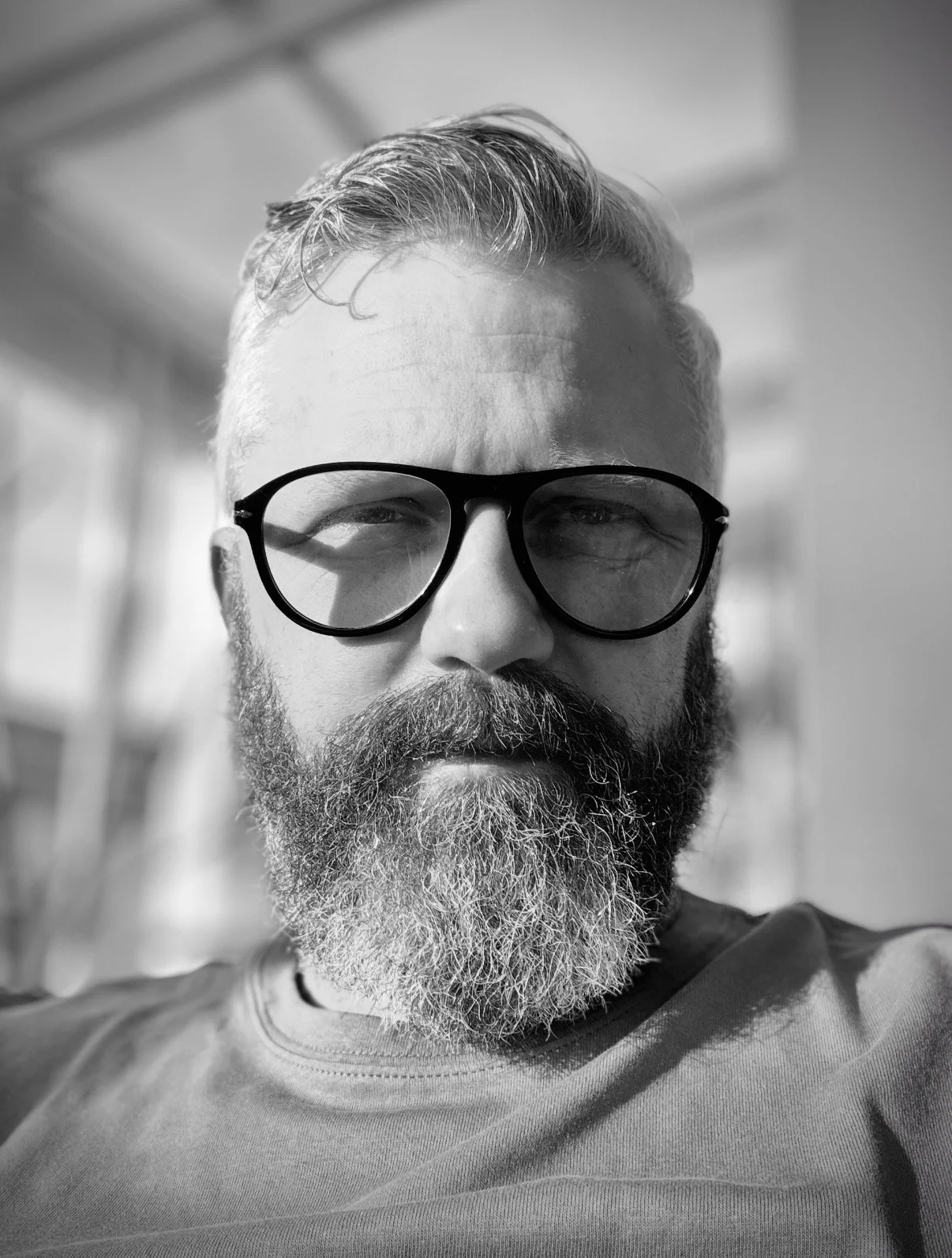
Photo taken by Jonas Falk
Beyond the Image
Inspiration and the pursuit of something more
In today’s digital world, inspiration is everywhere. Social media constantly exposes us to photographs from all over the world, and while that can sometimes feel overwhelming, it is also an incredible source of inspiration.
There are two photographers whose work has had a particularly deep influence on me: Edd Allen and Göran Ebenhart. Their photographic styles speak to me in a way that is difficult to put into words. My own photographs may look nothing like theirs, but their work represents something I continue to strive towards.
I don’t necessarily want to recreate their images. Rather, their work reminds me of what might be possible and encourages me to keep developing my own visual language.
Photography also comes in waves. I can spend hours outdoors with my camera and return home without a single image I feel is worth keeping. Summer can be particularly challenging for me, when everything feels too green and lush, while winter sometimes leaves me struggling to find interesting subjects in the grey and lifeless landscape.
When that happens, I sometimes return to the simple things. A beautiful sunrise, for example, can be enough to reignite my enthusiasm. And sometimes, seeing an image on social media inspires me to find a similar location and try to create my own interpretation of it.
The important thing is to keep looking.
A little more about how I see photography
For me, photography begins with curiosity. When I’m out in nature with my camera, I find myself looking for something that makes me stop. It might be a beautiful landscape, a contrast in colour or form, or simply something that stands out from its surroundings. I rarely know exactly what I’m looking for. I just know when something catches my eye.
When I return home, I’m happy if the image manages to reflect, at least to some extent, what I experienced in that moment. A photograph can never fully recreate the feeling of being there, but perhaps it can offer a glimpse of it. And that is what I’m always trying to achieve.
The way I see it
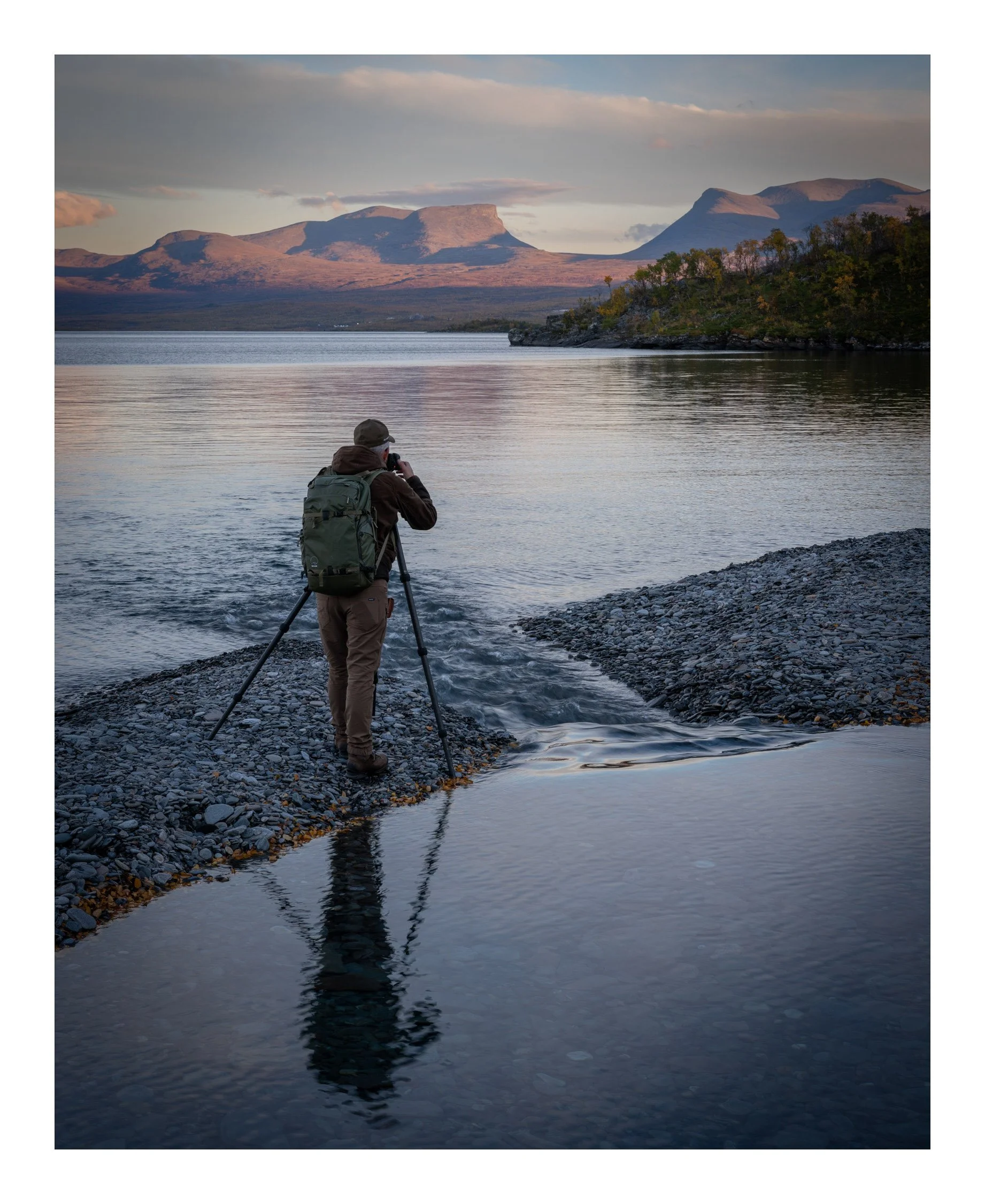
I believe a photograph is more than a record of a place. It is a personal interpretation of a moment, shaped by the light, the surroundings and the photographer’s own experience.
During post-processing, I sometimes allow myself to enhance certain details to gently guide the viewer’s eye towards what caught my attention in the first place. I try to stay true to what was already there, enhancing or toning down elements rather than creating something entirely new. It is an aspect of photography I’m still learning, and one I hope to keep improving.
I don’t consider myself a finished photographer. Quite the opposite. I see my photography as a constant journey of learning, experimenting and taking small, sometimes clumsy, steps forward.
The tools I use
My main camera is a Canon R5, paired with a range of lenses covering everything from 15mm to 500mm. I also have a Canon R7 as a backup camera, which offers additional reach thanks to its crop sensor. Although I haven’t yet found myself needing that extra reach, it’s nice to know it’s there.
Despite having a wide selection of lenses, I find myself reaching for my 24–70mm and 70–200mm most of the time. They probably account for around 95% of the photographs I take.
I’m also a big fan of my magnetic Kase filters. They are simple to attach and remove, which might sound like a small detail, but it has made a real difference to the way I photograph. Before switching to magnetic filters, the extra effort of attaching them often meant I simply left them in my bag, even when the scene would have benefited from their use.
Tripods have been a journey of their own. I started with a cheap tripod and quickly realised that it wasn’t up to the task. Today, I have settled on two different setups: a lightweight Gitzo carbon fibre tripod for longer hikes, and a heavier carbon fibre tripod from Sirui with long legs, paired with a three-way head from Leofoto.
The latter has had a surprisingly positive impact on my photography. The three-way head has slowed me down, forcing me to pay more attention to composition and, perhaps more importantly, to question what it is I’m actually photographing. Sometimes the right piece of equipment does more than simply make a task easier. It changes the way you approach it.
A plan, but never a promise
I try to get out with my camera whenever I can. Lately, I’ve found myself searching for inspiration further away from home, rather than in the landscapes closest to me. When I’ve decided on a destination, I usually spend some time studying weather forecasts, cloud conditions and the position of the sun.
But experience has taught me not to become too attached to a particular scene or a certain set of weather conditions. Nature rarely follows a plan, and some of the best moments happen when things turn out differently than expected.
There have been occasions when I’ve returned to the same location several times, hoping to capture a particular moment I had imagined. But a large part of my photography is about discovering new places, exploring unfamiliar landscapes and allowing myself to be surprised.
I find that there is something special about standing somewhere for the first time, not quite knowing what you might discover.
The art of developing an image
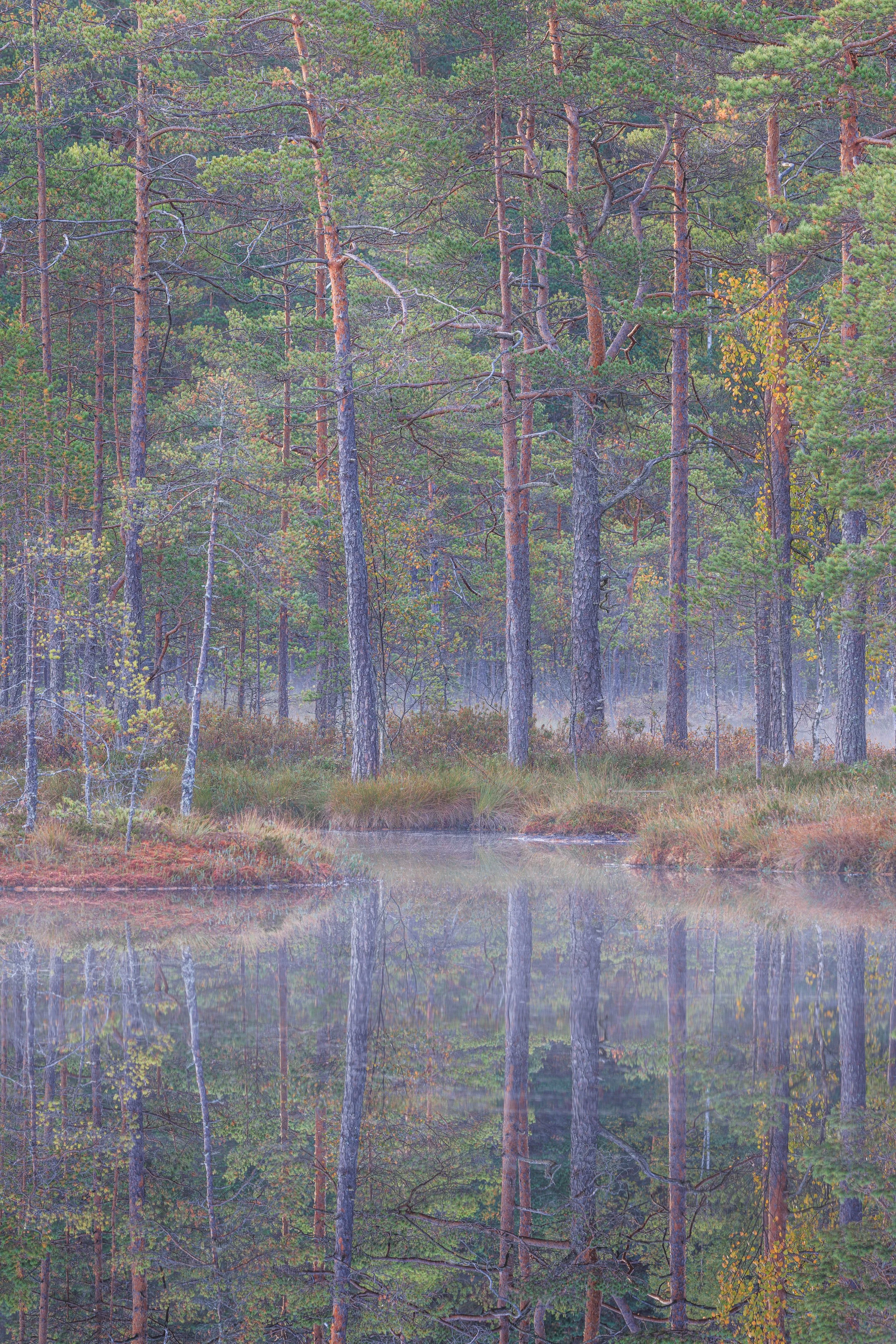
I enjoy the entire photographic process, but there is something particularly satisfying about sitting down at my computer and going through the images from a day outdoors.
I prefer to call post-processing developing. Some images reveal themselves almost immediately. I know how I want them to look and how I want to develop them. Others take much longer. I might see something promising in a RAW file but struggle to find the feeling I’m looking for. Sometimes an image needs to sit for a while before I know what to do with it.
Developing an image is a wonderful part of photography. Perhaps not quite as rewarding as the moment of taking the photograph, but not far behind.
There is something almost magical about sitting down with a freshly brewed cup of coffee, or occasionally a good aged whisky or rum, and revisiting the photographs from a day in nature. As I work on them, I find myself remembering the place, the light, the atmosphere and the feeling of being there.
In a way, developing an image allows me to experience that moment all over again.
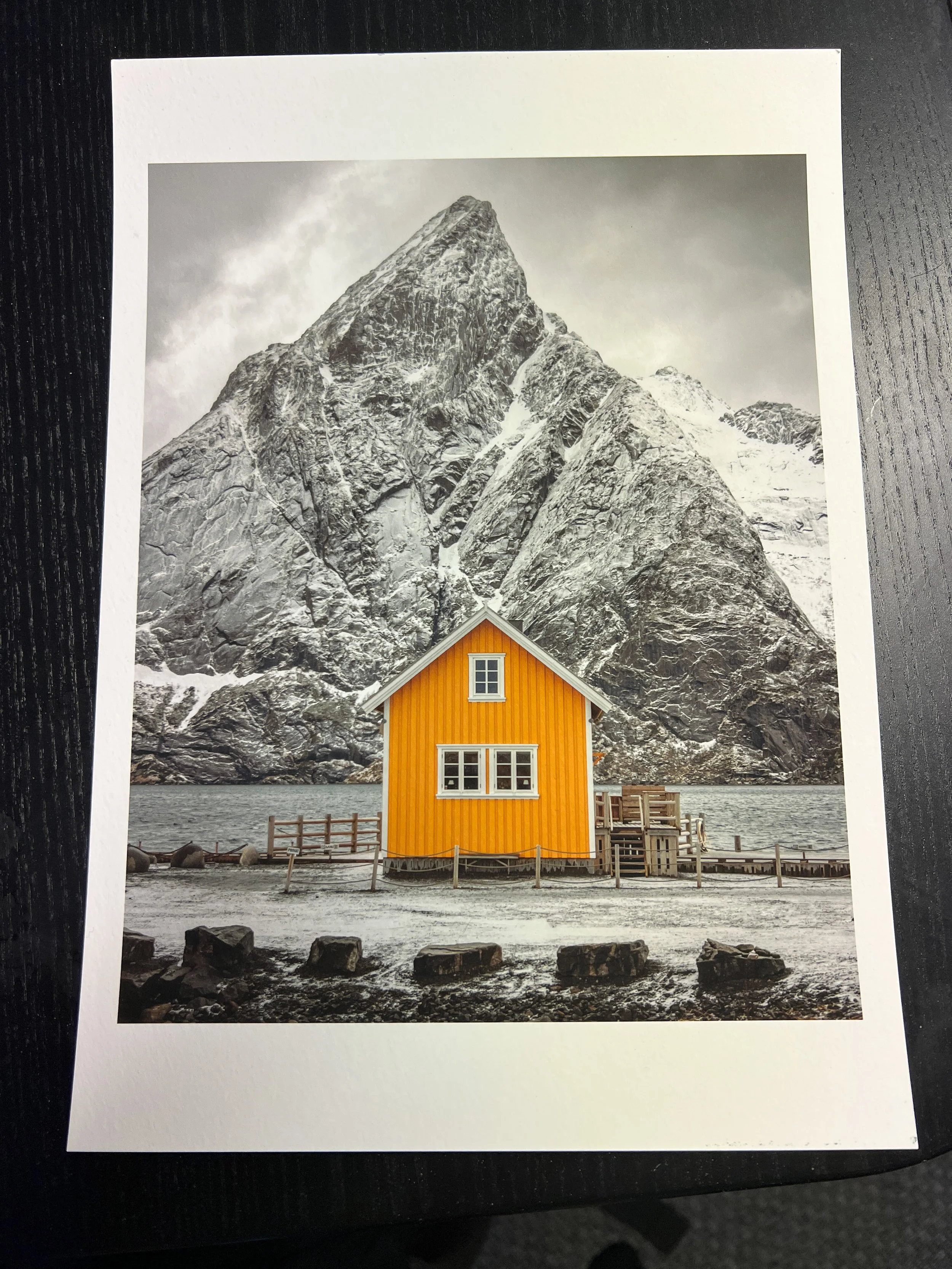
When a photograph becomes something real
Printing my own photographs has been an important part of my ongoing journey. Somehow, it completes the circle. Seeing an image as a physical print gives it another dimension, something that is difficult to describe until you have experienced it yourself.
It has also made me a better photographer. When I see my images in print, I notice details I might have overlooked on a screen. It makes me look at my work differently and encourages me to pay even more attention to the small things.
My photographs are, in many ways, a visual diary of the places I’ve been and the moments I’ve experienced.
If someone chooses to bring one of my photographs into their home, it gives me a feeling of pride and happiness that is hard to explain. Seeing my own image hanging on someone else’s wall is a strange and wonderful feeling. An inner firework, perhaps.
Photography has always been something I do primarily for my own enjoyment and well-being. But I would be lying if I said that knowing someone else appreciates my work doesn’t mean a great deal to me.
If one of my photographs can evoke a memory, a feeling or a personal connection in someone else, then I’m simply happy.
A journey without an ending
Is there such a thing as the perfect photograph? I’m not sure.
I see my photography as a constant process of development. I will never be a finished photographer, and I don’t feel the need to become one. I’m perfectly happy taking my own small, sometimes clumsy, steps forward.
I’m a much better photographer today than I was when I started, and that alone is enough motivation to keep me going.
I want my photography to be driven by curiosity and enjoyment, not by pressure or the need to become someone I’m not. Positive feedback and appreciation from others are always welcome, but they are not the foundation of why I enjoy photography.
For me, photography is about discovering places, experiencing nature, learning something new and finding moments that make me stop and look.
It is a journey I’m still very much enjoying.
And one I don’t want to end.